

Beyond the Corporate Inbox: Why Modern Back-Office Collaboration Requires a Strategic Defense
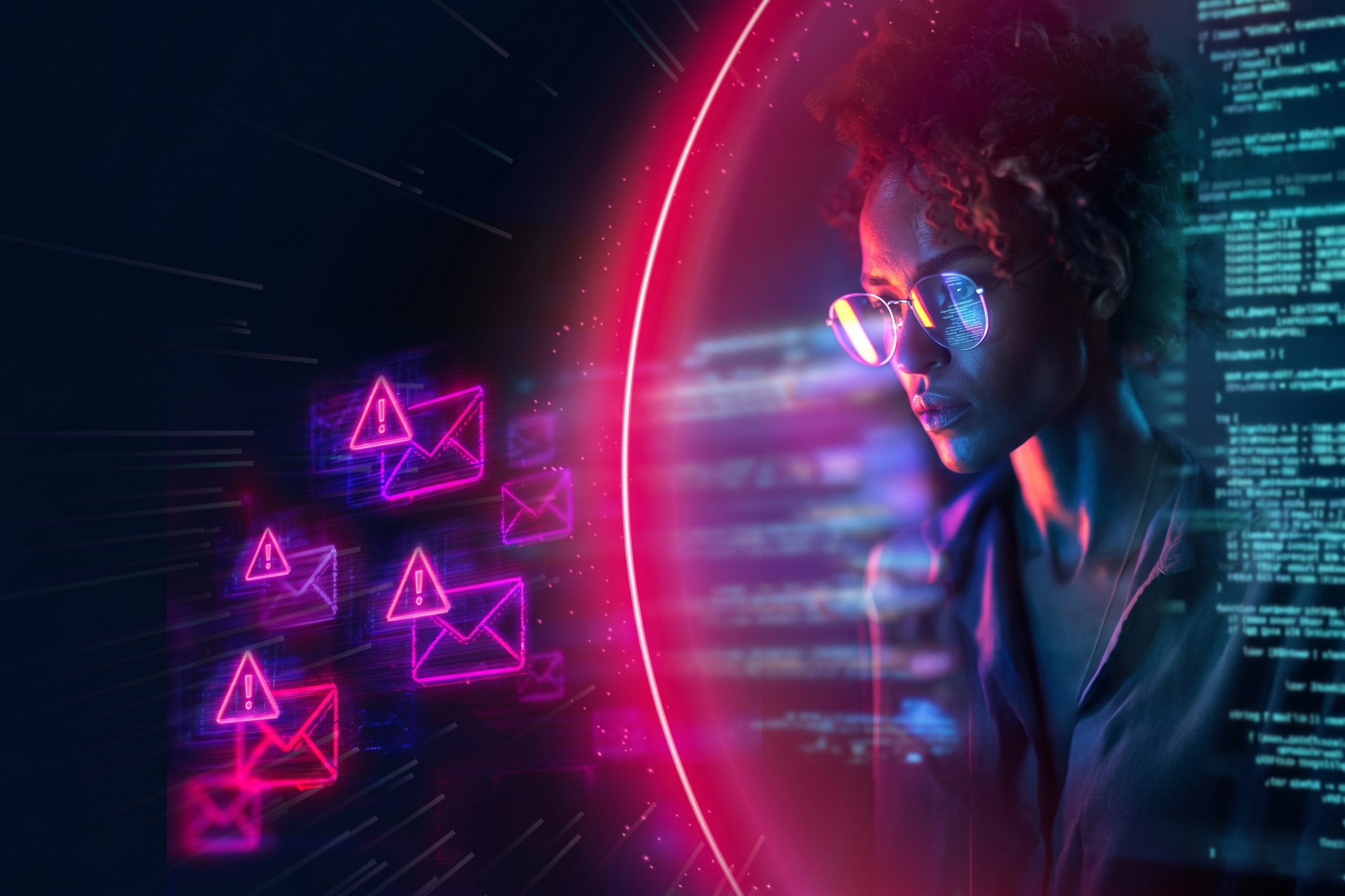

The traditional corporate headquarters has expanded far beyond its physical walls, moving into cloud-based communication ecosystems like cloud workspaces, video conferencing applications, and shared digital drives. While this transition has dramatically accelerated workflow speeds for human resources and back-office teams, it has also created a highly attractive target for modern cyber threats. Corporate security can no longer be dismissed as an isolated technical issue; it represents a primary operational risk affecting business continuity, legal compliance, and corporate reputation.
The Vulnerability of Trust in Administrative Workflows
As businesses navigate rapid digital transformation, traditional perimeter security controls are proving entirely inadequate. Human resources professionals and corporate managers routinely handle the most sensitive information within an enterprise, including employee payroll data, personal identity documents, and strategic business plans. This high concentration of confidential data makes administrative departments the primary entry point for targeted attacks.
Cybercriminals frequently exploit the everyday responsibilities of these teams, knowing that HR specialists must constantly open external email attachments like resumes and interact with third-party partners via shared channels. The contemporary threat landscape has evolved beyond simple mass phishing campaigns into highly sophisticated, multi-channel operations where a single compromised account can quickly jeopardize the entire corporate directory.
The Severe Cost of Process Exploitation
A typical corporate vulnerability unfolds when a back-office financial administrator receives an urgent, perfectly formatted request via a corporate chat platform to update an executive bank account for an upcoming bonus cycle. Similarly, an HR coordinator might open a routine attachment containing a zero-day ransomware strain. These corporate account takeover tactics purposefully exploit the natural trust and operational urgency built into standard administrative procedures.
When a communication channel is breached, the negative impact involves severe administrative delays, potential financial penalties under regulatory frameworks like the NIS2 directive, and long-term reputational damage. To safeguard these workflows, enterprises must pivot toward proactive, context-aware security architectures capable of assessing user intent in real time.
Implementing Invisible Protection for Business Continuity
Securing these collaborative environments requires a sophisticated technological approach that eliminates organizational risk without introducing operational bottlenecks. This clear operational need can be addressed by utilizing artificial intelligence to inspect emails, files, and chat messages before they ever reach the end user.
Because modern defensive architectures operate through direct API integration rather than disruptive gateways, deployment is fast and completely unnoticeable to employees. For corporate decision-makers, this translates into a powerful combination: robust data loss prevention and account takeover detection, achieved without compromising the daily productivity of the workforce. True digital resilience is built by securing the human relationships and digital interactions that drive business growth.
This content is sponsored by Check Point Software Technologies. If you'd like to learn more about their solutions related to this topic, click the link below.
https://www.checkpoint.com/harmony/email-security/
Other News and Events from ViVeTech

What Is Indirect Prompt Injection? How Attackers Hijack AI Agents Through Web Content and Emails
Learn more
További híreink és eseményeink
Mi az az indirekt prompt injection? Így térítik el az AI ágenseket a webes tartalmakon és e-maileken keresztül
Olvasson tovább
Hírlevél feliratkozás

Sign up for our newsletter